![info [at] GioHomes [dot] com](https://www.giohomes.com/wp-content/themes/giohomes/img/info-giohomes-com-m.gif)

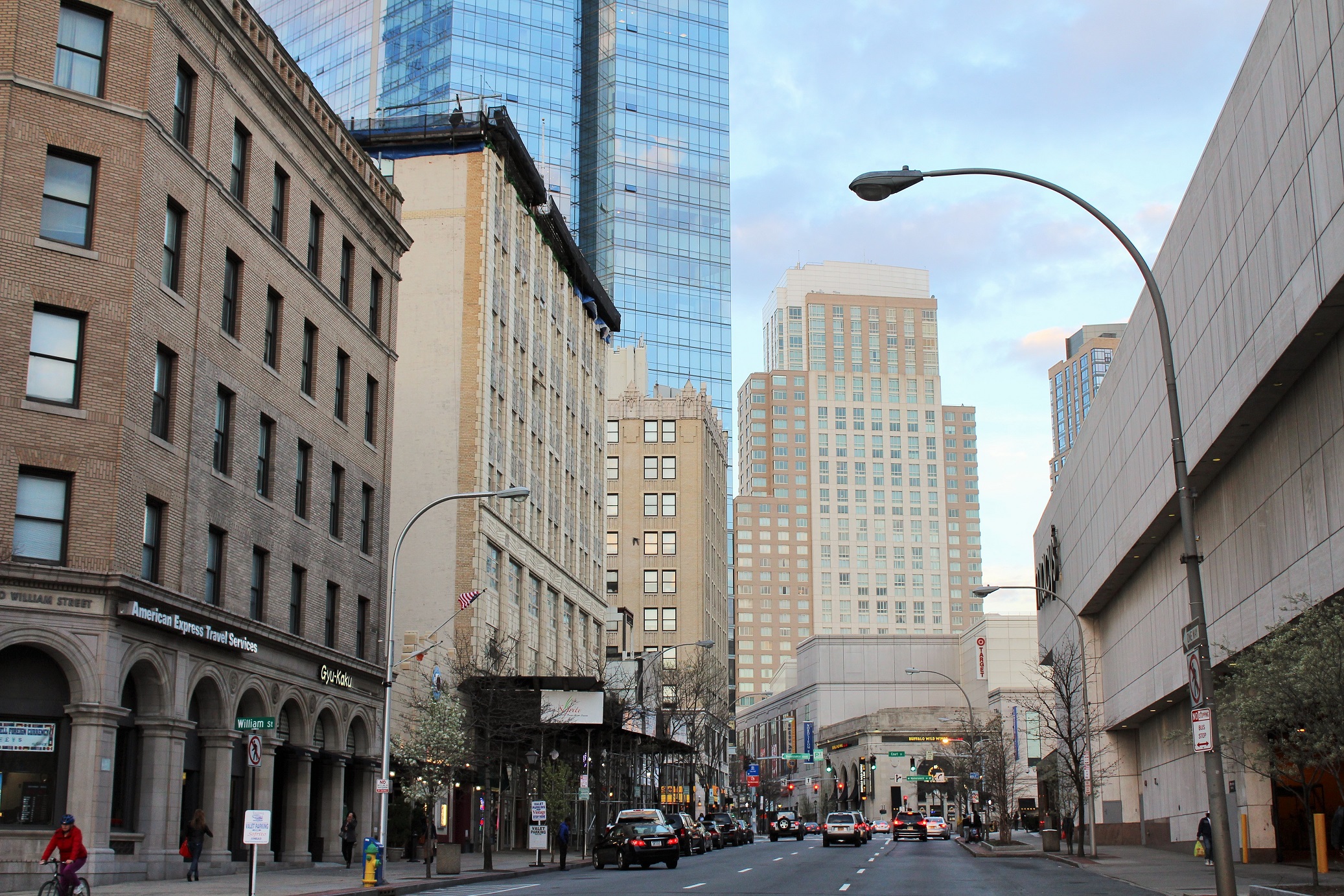
Main Street, City of White Plains NY
Where the energy of a real city meets the charm of a Westchester hometown.
White Plains isn’t just a suburb — it’s a city in its own right, one that somehow manages to feel both cosmopolitan and deeply livable at the same time.
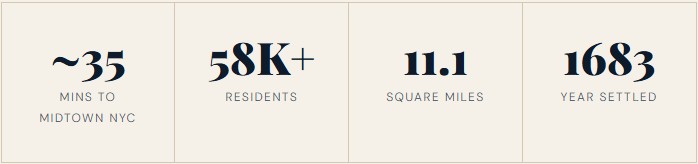
Nestled in the heart of Westchester County, White Plains, New York occupies a unique sweet spot in the metropolitan landscape. It’s close enough to Manhattan to feel connected, yet independent enough to have developed a distinct identity all its own. For decades, it has drawn professionals, families, retirees, and young adults alike — each finding something different to love about this dynamic city of roughly 58,000 residents.
So what is it, exactly, that keeps people coming — and staying? Let’s explore.
Unbeatable Commuter Access
Ask almost any White Plains resident why they chose the city, and the Metro-North connection will come up within the first sentence. The White Plains Metro-North station, served by the Harlem Line, puts commuters in Grand Central Terminal in as little as 35–40 minutes on express trains. It’s one of the most reliable and direct connections to Manhattan in all of Westchester — making White Plains an ideal home base for professionals who work in the city but crave space, value, and a real neighborhood to come home to.
Trains run frequently throughout the day and evening, with service beginning before 5 a.m. and continuing well past midnight. For the early riser catching a 6:15 a.m. train or the late-night theater-goer heading home after a Broadway show, Metro-North accommodates every rhythm of city life. Monthly rail passes, paired with the MTA’s transit benefit programs offered by many employers, make the financial math compelling — far less costly than owning a car and paying Manhattan parking rates.
Beyond the train, White Plains sits at a remarkable highway nexus. Interstate 287 runs east–west through the city, connecting directly to the New Jersey Turnpike to the west and the New England corridor to the east. The Bronx River Parkway offers a scenic, low-stress artery south toward the Bronx and upper Manhattan. The Hutchinson River Parkway and I-684 open up Fairfield County, Connecticut, and points north with equal ease. For residents who work in Stamford, Greenwich, Yonkers, or the broader Westchester business corridor — companies like IBM, PepsiCo, and Regeneron all have major campuses within 30 minutes — the car commute can be remarkably painless.
White Plains also has robust local transit. Bee-Line Bus routes connect the city to neighboring communities throughout the county, and the city’s own downtown shuttle makes it easy to get around without a car at all. For those arriving from farther afield, Westchester County Airport is just minutes away — a genuine luxury for frequent business travelers who want to bypass the chaos of JFK, LaGuardia, or Newark.
Green Space & Outdoor Life
For a city of its density and urban character, White Plains is remarkably, almost surprisingly green. The city has invested consistently in its parks and recreation infrastructure, resulting in a network of outdoor spaces that serves residents at every stage of life — from toddlers on playgrounds to serious trail runners logging miles before work.
Silver Lake Park is a crown jewel: a sprawling multi-use space with athletic fields, a beloved ice skating rink that draws families throughout the winter months, tennis courts, a dog park, and scenic pathways through mature woodland. Tibbetts Brook Park, shared with Yonkers, adds additional athletic facilities, a spray park for summer cooling, and open picnic meadows that fill with families on warm weekends. For those who prefer their nature wilder and less structured, Cranberry Lake Preserve offers 190 acres of wooded terrain with quiet hiking trails — a genuinely wild escape that feels far removed from the surrounding suburban landscape.
The Bronx River Pathway is perhaps the city’s most-loved linear amenity. This multi-use trail follows the Bronx River southward through Westchester, offering a car-free corridor for joggers, cyclists, dog-walkers, and nature lovers. On spring and fall mornings, it feels like a moving community — locals nodding to familiar faces, dogs greeting each other, the river running quietly alongside. It connects White Plains to the broader Westchester greenway network, eventually threading all the way down to the Bronx.
Seasonal life in White Plains is vivid and deeply felt. Winters bring proper snow — enough for sledding in the parks and a genuine shift in the city’s atmosphere, without the paralyzing storms that afflict points farther north. Spring arrives with flowering trees along downtown streets and the return of outdoor dining and recreation. Summer evenings are spent at outdoor concerts, on rooftop bars, or in the city’s parks long after sunset. And Westchester’s autumns are among the most celebrated in the Northeast — the foliage turns brilliant in late October, and the region around White Plains becomes a destination in its own right.
For golfers, the area offers several notable public and semi-private courses. For tennis players, recreational leagues and well-maintained public courts are readily available. Youth and adult sports leagues — soccer, baseball, basketball, lacrosse, and more — operate year-round through the city’s parks and recreation department, giving both children and adults a structured, social way to stay active.
Strong Schools & Family Infrastructure
Families relocating to White Plains consistently cite the school system as a primary driver of their decision, and for good reason. The White Plains City School District serves approximately 7,000 students across six elementary schools, two middle schools, and White Plains High School — a comprehensive institution with a strong academic reputation, award-winning arts and music programs, and competitive athletics that reflect deep community pride.
The district has made sustained investments in curriculum development, technology integration, and multilingual education — reflecting a student body that speaks dozens of languages and brings perspectives from around the world into every classroom. Dual-language programs at the elementary level, Advanced Placement and honors coursework at the high school, and robust special education services give families confidence that the district can meet a wide range of student needs. Graduation rates are strong, and a meaningful percentage of White Plains High graduates go on to four-year colleges each year.
Beyond the public system, White Plains and its immediate surroundings offer a rich landscape of private and parochial schools. The region hosts several highly regarded Catholic schools, independent day schools, and Montessori programs that provide families with genuine educational choice. For parents whose children have specialized needs or particular learning styles, the range of options is genuinely broad.
Higher education is woven into the fabric of the city in a way that benefits the broader community. Pace University’s Westchester Campus brings thousands of undergraduate and graduate students into White Plains, contributing to the city’s youthful energy and supporting local businesses. Sarah Lawrence College in neighboring Bronxville, Purchase College, and Manhattanville University in nearby Purchase are all within a short drive — giving residents access to lectures, performances, cultural events, and continuing education programs throughout the year.
The family support infrastructure extends well beyond schools. White Plains has a strong network of licensed childcare centers, after-school programs, and summer camps. The YMCA, located downtown, offers programming for all ages and serves as a genuine community anchor. Youth sports leagues — organized through the city’s parks department and various civic organizations — give children structured activity and belonging from early childhood through high school. For working parents, the combination of reliable schooling, accessible childcare, and abundant after-school options makes the logistics of family life meaningfully easier than in many comparable communities.
A Diverse, Welcoming Community
White Plains is one of the most ethnically, culturally, and linguistically diverse cities in Westchester County — and residents consistently describe this diversity not as a background fact, but as one of the city’s most actively celebrated qualities. Walk through any neighborhood and you encounter a genuine mosaic: long-established Italian-American families, immigrant communities from Latin America, South Asia, West Africa, the Caribbean, and Southeast Asia, alongside young professionals from across the country drawn by the city’s job market and lifestyle. The result is a community that feels genuinely cosmopolitan rather than homogeneous.
This diversity expresses itself in countless visible ways. Religious institutions of nearly every denomination — Catholic, Protestant, Jewish, Muslim, Hindu, Buddhist — have a presence in or near the city, and interfaith collaboration is a real part of White Plains civic life. Houses of worship often serve as community hubs, hosting food drives, language classes, cultural celebrations, and social services that strengthen the bonds of neighborhood life.
Cultural festivals and community events bring the city’s diversity into the public square throughout the year. Summer concerts in the park draw multigenerational crowds. Hispanic Heritage Month, Black History Month, Asian American and Pacific Islander Heritage Month, and dozens of other cultural observances are marked with public programming, school events, and community gatherings that reinforce the sense that every background is valued and visible here.
The civic and associational life of White Plains is robust. Neighborhood associations give residents a voice in local governance and a structure for organizing block events, safety initiatives, and beautification projects. The White Plains Business Improvement District advocates for the downtown commercial community. Volunteer organizations, civic leagues, and service clubs provide structures through which residents of every age and background can contribute to the city’s betterment.
Perhaps most meaningfully, White Plains has a political and institutional culture that takes inclusion seriously. City government has made genuine commitments to equitable service delivery, affordable housing preservation, and community engagement across language barriers. For newcomers arriving from elsewhere, the city’s combination of practical support systems and genuine cultural openness makes the transition to a new home feel welcoming rather than isolating — a quality that, once experienced, becomes one of the most frequently cited reasons residents choose to stay.
Housing Value Relative to Manhattan
For many transplants from New York City, White Plains represents something close to a revelation in what their housing budget can actually buy. A one-bedroom apartment in a full-service building with a doorman, gym, rooftop terrace, and parking — at prices that would barely cover a studio in Murray Hill or a cramped one-bedroom in Williamsburg — is a common discovery that accelerates the decision to move. For families, the math becomes even more compelling: the cost difference between a two-bedroom in Manhattan and a three-bedroom house in White Plains with a backyard and off-street parking can be staggering.
The city’s housing stock is genuinely varied, accommodating a wide range of lifestyles and budgets. Downtown towers, many built in the last decade, offer luxury rental apartments with modern finishes, concierge services, and all the amenities of urban living. Mid-rise condominium buildings in and around the downtown core attract buyers seeking ownership with manageable maintenance. Moving outward from the center, the city’s residential neighborhoods offer attached townhomes, two-family houses, and single-family homes on proper lots — the kind of properties with yards, garages, and room to grow that are simply inaccessible at comparable price points anywhere in the five boroughs.
Westchester County overall carries a premium relative to other New York suburbs, reflecting its reputation for excellent schools, safety, and proximity to Manhattan. Within the county, however, White Plains offers some of the most competitive pricing — particularly for buyers and renters who want a walkable, urban lifestyle without paying the Scarsdale or Bronxville premium for a purely residential experience.
New development has been a consistent theme in White Plains over the past decade, with major residential projects adding thousands of modern units to the downtown and surrounding neighborhoods. This construction has expanded supply, moderated rental price escalation in some segments, and introduced amenity-rich options that appeal to younger renters and empty-nesters alike. The city’s zoning and planning framework has generally supported smart density — particularly near the train station and downtown core — creating a built environment that rewards walkability and transit use.
For investors and first-time buyers alike, White Plains presents an entry point into the Westchester market that combines genuine upside potential with the day-to-day livability that makes home ownership feel like a quality-of-life upgrade rather than a financial sacrifice. The combination of infrastructure investment, continued demand from city-leavers, and limited developable land in surrounding communities makes the long-term outlook for White Plains real estate consistently optimistic.
Healthcare & Professional Services
White Plains is a regional hub for healthcare, and this distinction carries real weight for the tens of thousands of residents who depend on it. White Plains Hospital, affiliated with the nationally recognized Montefiore Health System, is a full-service acute care facility with comprehensive specialties including cardiology, oncology, orthopedics, neurology, and maternal-fetal medicine. Repeated national rankings have recognized White Plains Hospital for clinical quality, patient safety, and outcomes — a reassurance that means everything when a serious health event occurs.
The hospital’s affiliation with Montefiore connects residents to one of the largest academic health systems in the Northeast, providing access to cutting-edge treatments, clinical trials, and specialist consultations that might otherwise require a trip to a major city medical center. For residents managing chronic conditions, recovering from surgery, or navigating complex diagnoses, having this level of care within their own community rather than a 45-minute drive away is an enormous quality-of-life factor.
Surrounding the hospital, a rich ecosystem of outpatient medical services has developed: primary care practices, specialty clinics, urgent care centers, physical therapy offices, mental health providers, dental practices, and wellness centers. The concentration of these services in and around White Plains means that residents can typically find the care they need close to home, without the long wait times or geographic inconvenience that define healthcare access in less well-served communities.
Beyond healthcare, White Plains functions as a genuine commercial and professional services hub for all of Westchester County. The city’s central business district hosts a critical mass of law firms, financial advisory practices, accounting firms, and consulting companies that serve clients across the region. The presence of corporate campuses and regional offices — representing industries from technology to insurance to pharmaceuticals — creates a local job market that allows many residents to work close to home without ever getting on the train.
This dual identity — as both a residential community and a regional economic center — gives White Plains a vitality that purely bedroom suburbs lack. Office workers, healthcare employees, retail staff, hospitality workers, and remote professionals all share the city’s public spaces, parks, and restaurants, creating the kind of mixed-use energy that urbanists prize and that makes a community feel genuinely alive throughout the entire day, not just during morning and evening rush hours.
The Bottom Line
White Plains endures as a magnet for residents because it refuses to be just one thing. It is simultaneously a commuter’s dream, a foodie’s playground, a family-friendly community, and an urban environment with genuine civic energy. It has the bones of a real city and the soul of a neighborhood.
Whether you’re arriving fresh from a Manhattan studio or relocating from another state entirely, White Plains has a way of surprising people — and then holding onto them. That, perhaps, is its greatest attraction of all. And if you are considering moving to White Plains or a neighboring community just contact us. We’ll be happy to assist you!